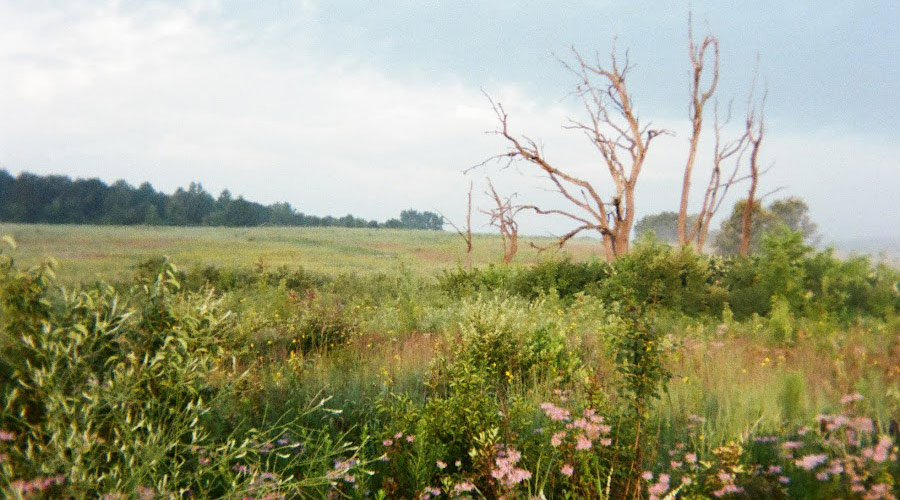
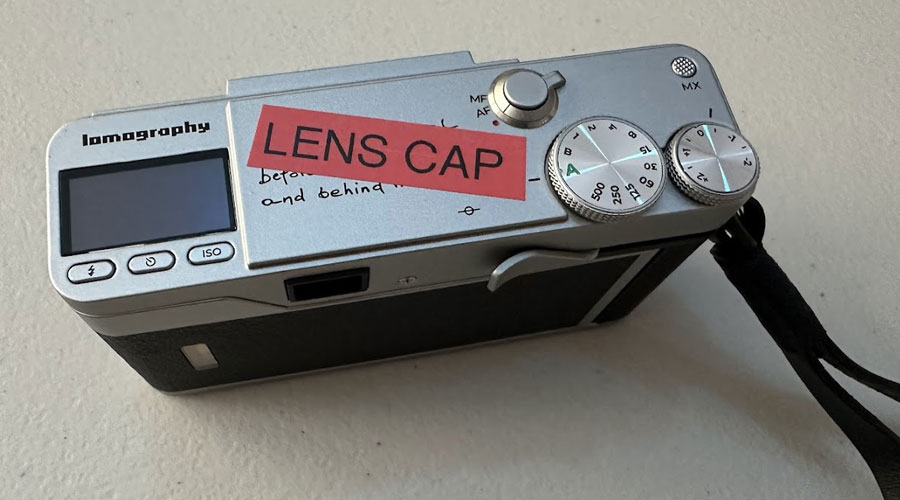
To some extent it is my fault: I was first in line to buy this camera. I didn’t wait for reviews. I wanted to support the development of new film cameras and the brand seemed legitimate enough.
I should not have hurried: the Lomo MC-A is a mess. The rewind mechanism broke within 2 rolls and the overall experience feels cheap, especially given the price.
I held this initial review until I had a completed roll of film back from development, but I feel like I’m late to the party and just adding more complaints to the generous heap of criticism you can already find on Reddit and YouTube about this camera.
Alternative title: Yay, hours of recreational organization!
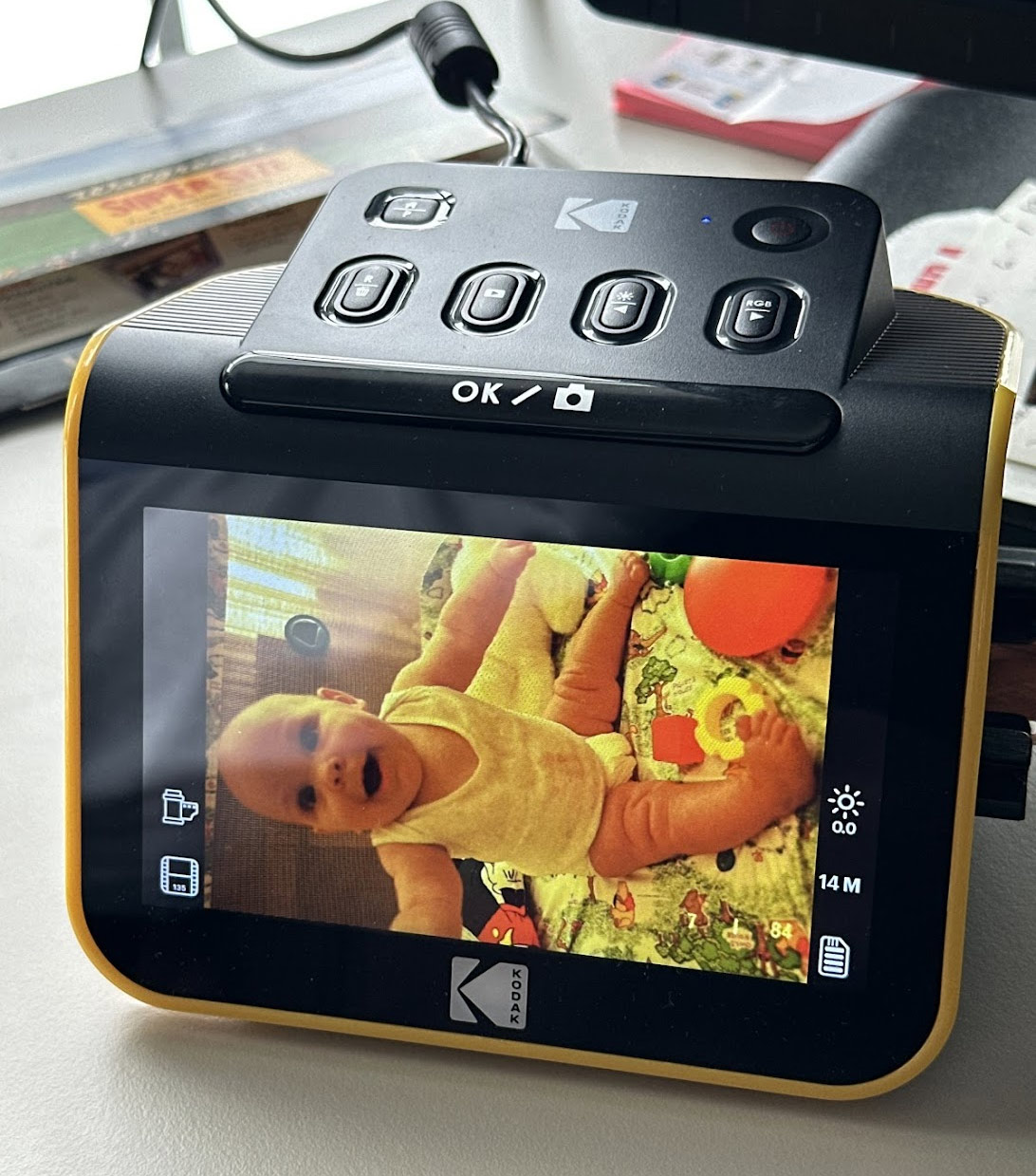
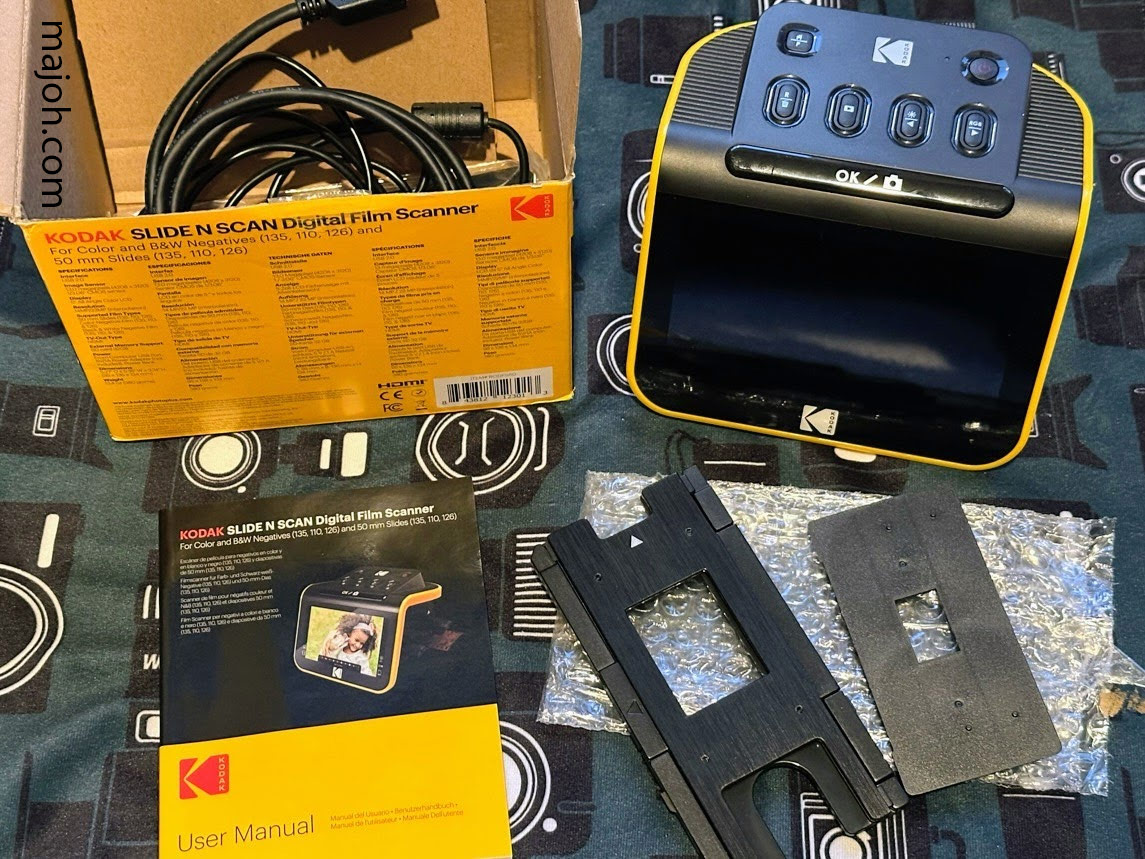
This (lengthy) post explains the process I used to digitize 1000s of film negatives in early 2026 using an inexpensive Kodak Slide n Scan scanner.
My goal was to create a digital archive of my family’s photos, and while I was at it, organize the negatives into some kind of system that would make it faster and easier to tell what was on each roll in the future. I estimate the time spent on this project to be around 45 hours and I worked on it bit by bit over the course of about a month and a half.
Keychain cams: They’re tiny, but the images are… also tiny, lol
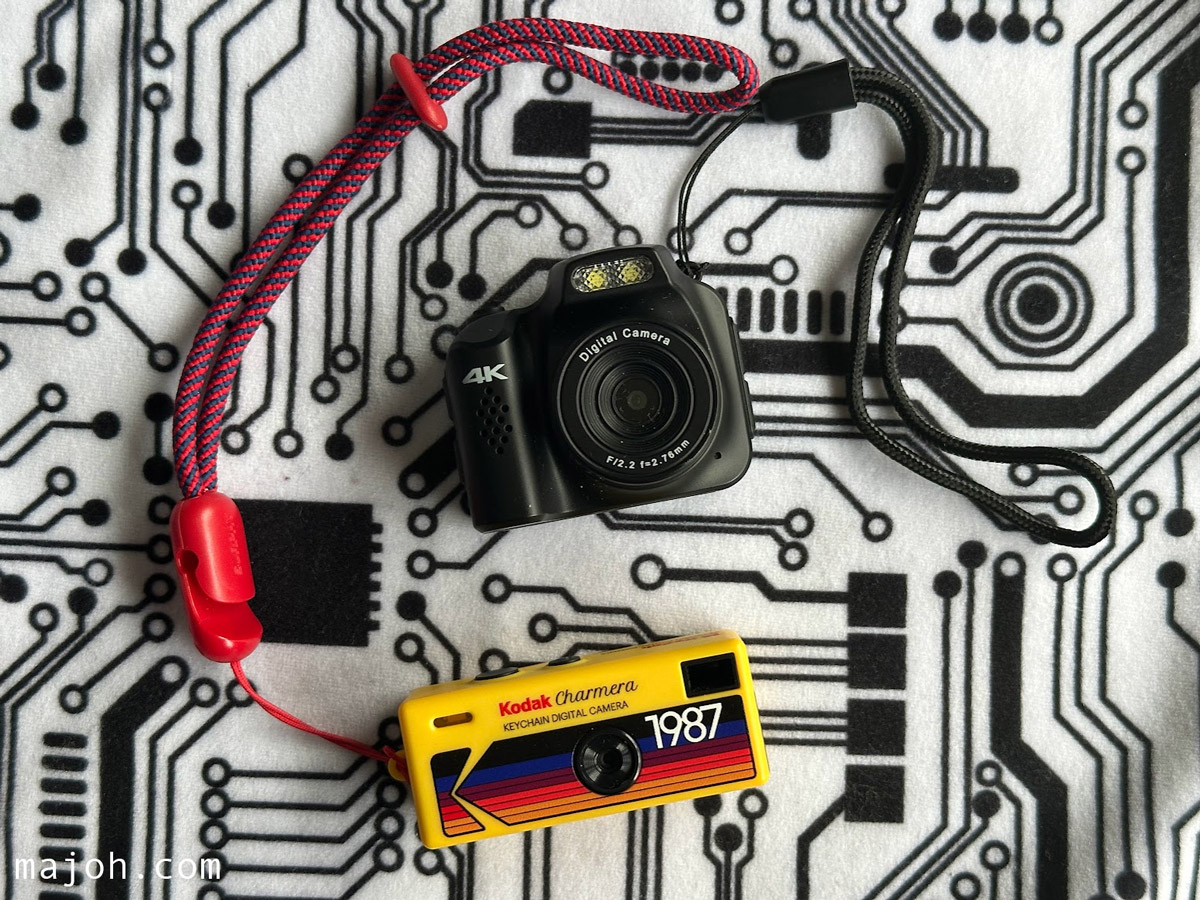
I love a good keychain camera. They travel in my pockets and I don’t worry about them getting damaged because they’re the right combination of rugged and inexpensive. There’s virtually no learning curve. Kids love them. Adults love them. You can’t go wrong with keychain cameras.
I have found myself in possession of TWO keychain cameras, so of course I pitted them against each other in a battle of wits - and charm.
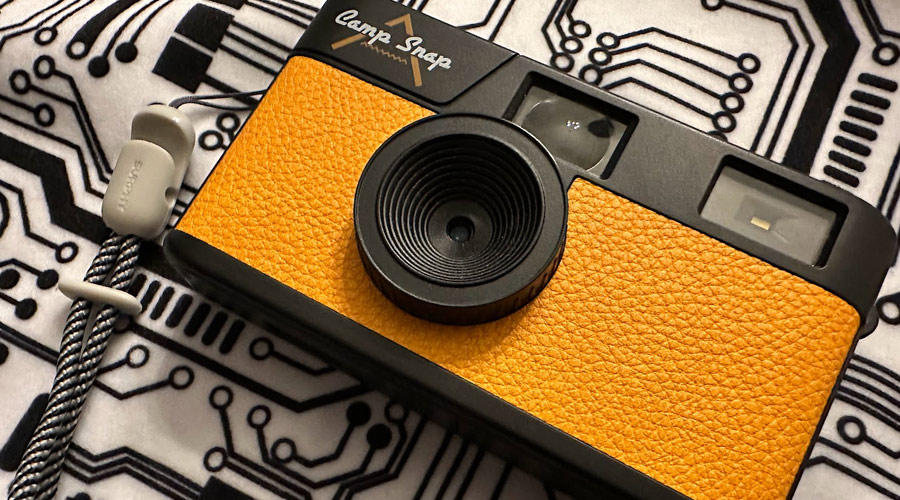
CampSnap Pro has a 37mm threaded mount around its lens which lets you attach filters for a unique look. Typically, I just want whatever comes out of the camera (I’m not really into tweaking my pics after the fact with Photoshop) so attaching physical filters and choosing between vintage and black and white digital filters on the camera itself is right up my alley.
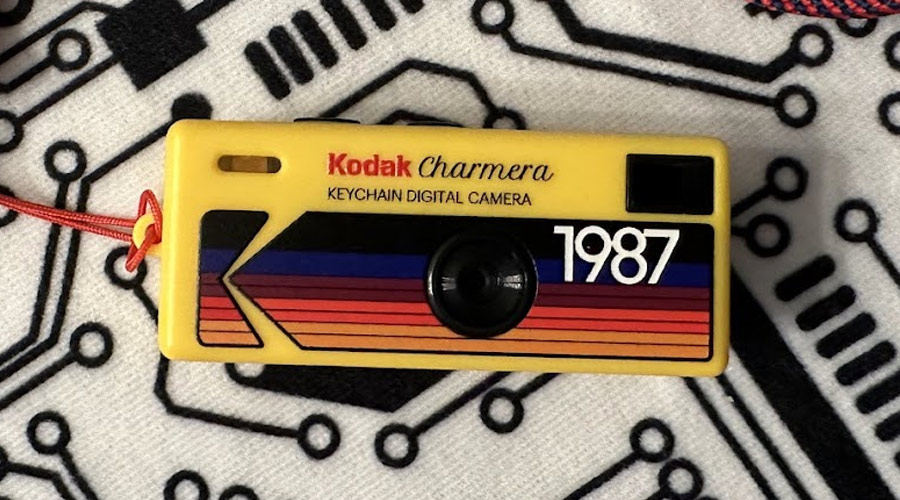
Whee, my Charmera arrived! It’s fun! The camera is rugged enough to go with on a bike ride and small enough to take it anywhere.
Here is my first batch of Charmera pics, taken late ‘25.
Is it fun?
Absolutely! Take it with anywhere you go - it fits even in girl pockets. Take it to parties and pass it around the room. It’s easy to use and the delayed gratification is part of the fun. I highly recommend it for artsy, low-stakes casual photography.
I picked up a CampSnap on a whim and thought it would be a cool toy, but it quickly became part of my everyday bag. It’s fun. You shoot without worrying about perfection. Like film, you get to be pleasantly surprised later when you review the pics at home. You live in suspense until then, wondering if you got the shot.
The filters are fun, too. Some of them even look sorta halfway like the film photos I remember from my childhood.
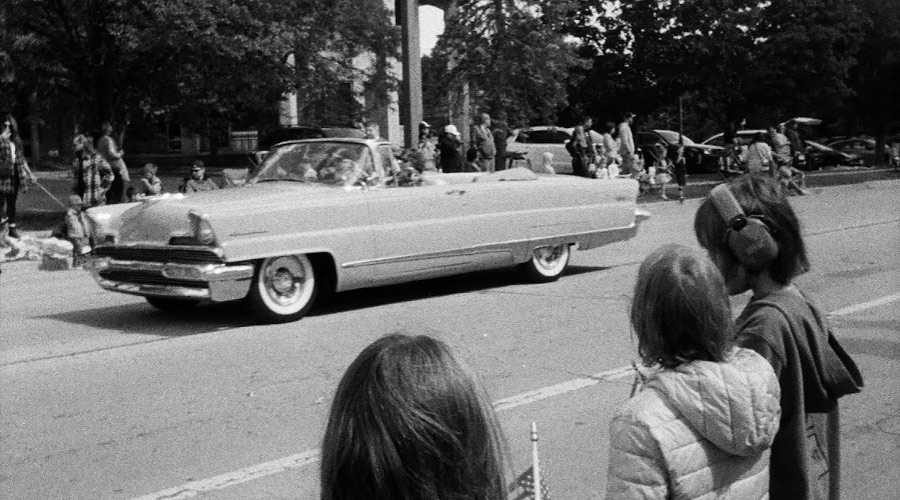
I can’t believe how good these turned out. Of all the film + camera combos I shot this summer, Kodak Tri-X in the Ektar half frame are my favorite.
Is black and white just magic or something? I put b/w through my Canon AT-1 and didn’t get anything like this (granted, the film was expired…) but seriously, whatever this camera + film combo is doing, it’s working for me. Ordinary moments became bold and dramatic!
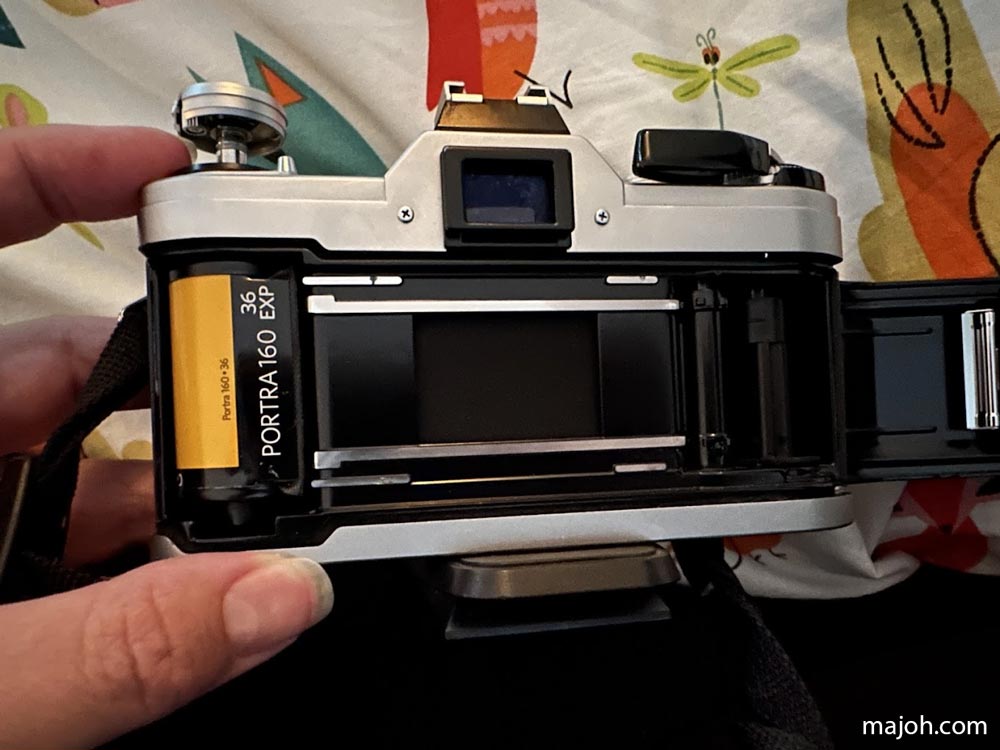
My black and white test roll was a success so it was time to feed the AT-1 some color film. I popped in another one of my Portra 160s and explored the 800 sq ft radius around my home in search of subjects.
A roll of Portra 160 didn’t last long in my Canon AT-1.
Continuing my mission of feeding my Kodak Ektar H35 with a varied diet of film stocks, I put a roll of Portra 160 through it this summer because I have a 5-pack of Portra 160 and was feeling like I could handle the risk of them all being duds.
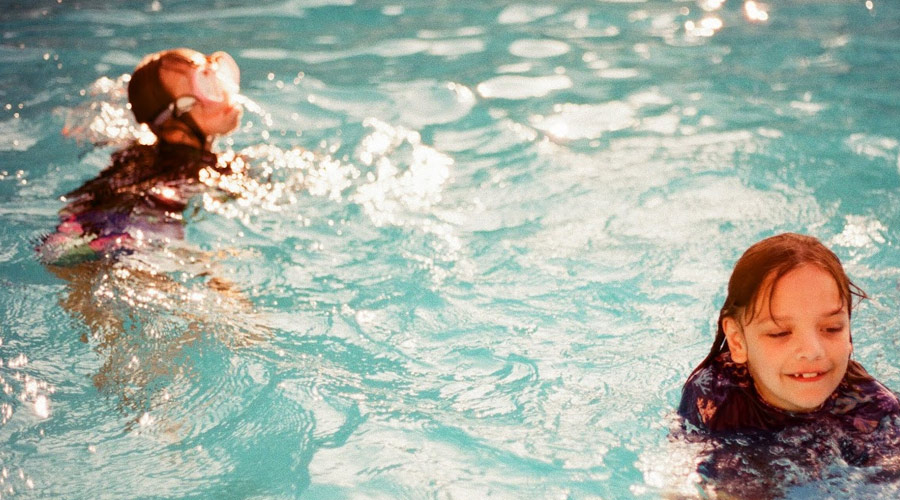
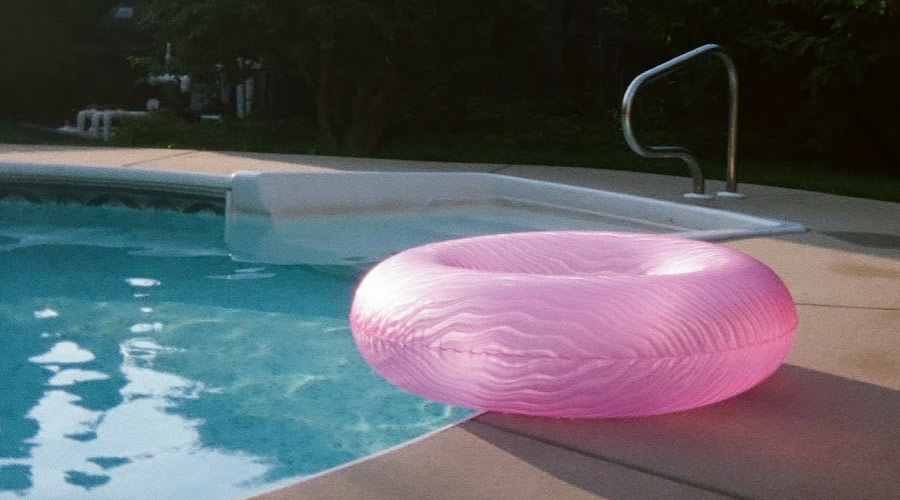
The results are far better than that, though. The scans show bold reds and rosy skin tones, beautiful scenery and skies, and greenish shadows. Like all film stocks in the Ektar H35, the best results came from shooting in bright daylight.
Disposable cameras are bulkier than your phone, cost more to develop than an ordinary roll of film, and don’t even have the decency to let you know your finger is in the shot. They also cost a fair amount of money (the cost of the camera+film upfront, and then the cost to develop is more than a regular roll of film would’ve been).
Despite all these drawbacks, the humble disposable camera still has its place: the shots bear an uncanny resemblance to the photos of my own 80s/90s childhood, and the camera itself is rugged and less precious than any of my film cameras so I didn’t feel bad about taking it to a theme park.
This website contains Amazon affiliate links. If you click on these links and make a purchase, I may earn a commission at no additional cost to you.
As an Amazon Associate I earn from qualifying purchases. I only recommend products that I have personally used or believe will add value to my readers.
 Keychain cams: They’re tiny, but the images are… also tiny, lol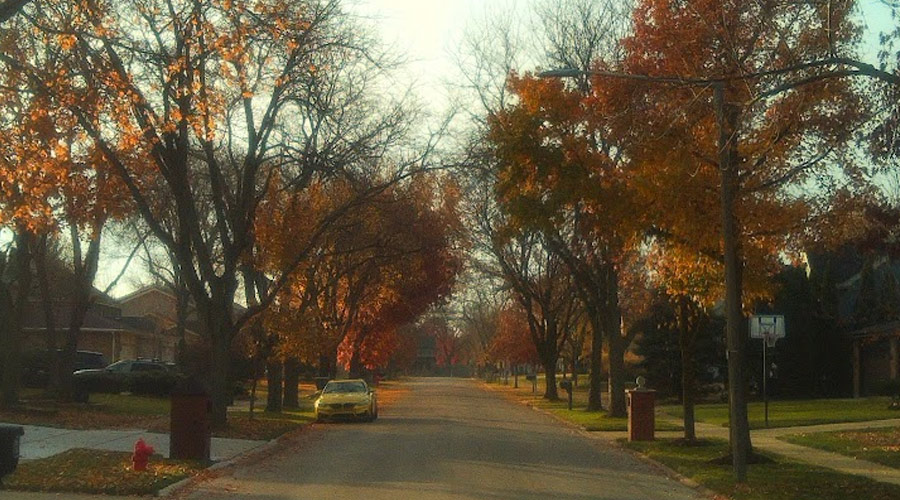
 Whee, my Charmera arrived! It’s fun! The camera is rugged enough to go with on a bike ride and small enough to take it anywhere.